Electronic recording of truck drivers' hours-of-service evaluated

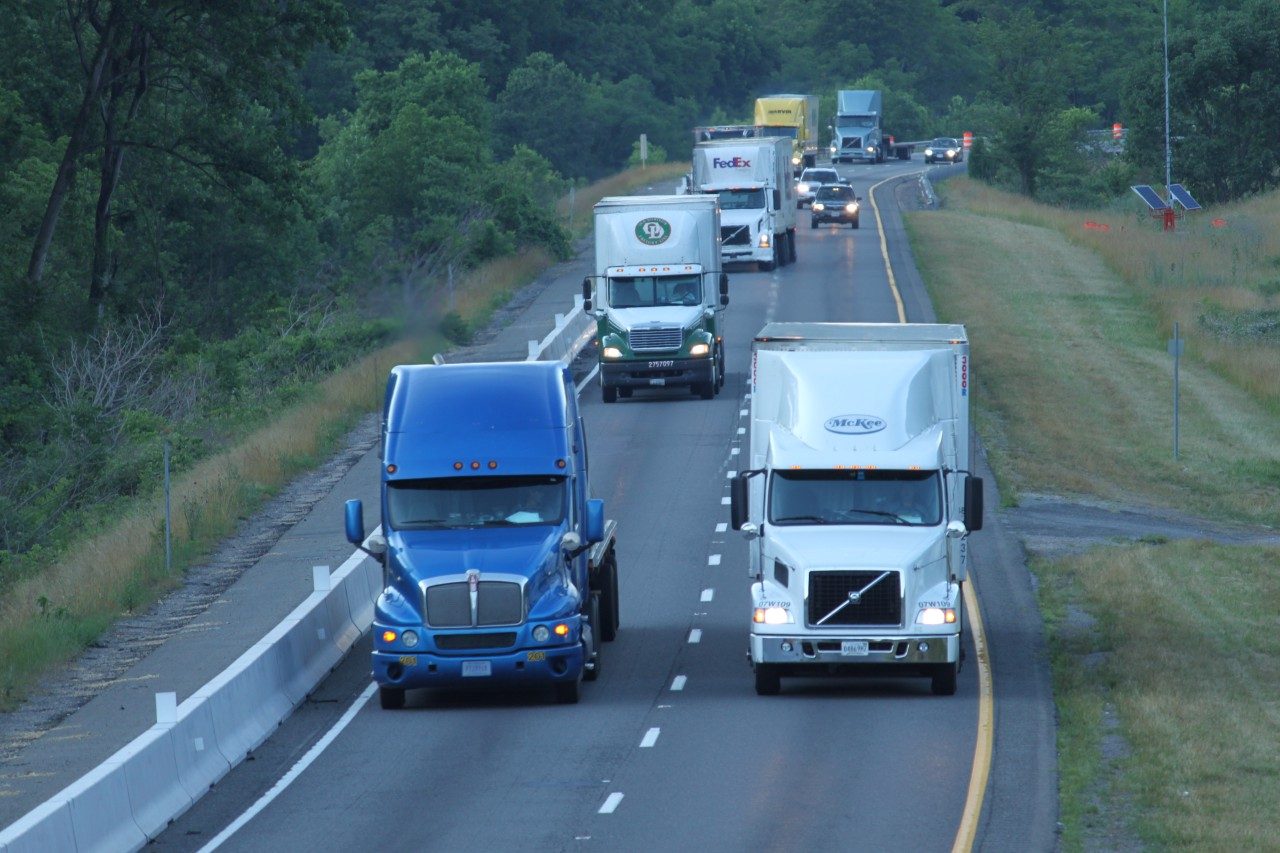
Safe operation of commercial vehicles depends upon drivers receiving enough sleep. But how to monitor that drivers are complying with hours-of-service requirements? Electronic onboard recording may be the solution. With funding from the Federal Motor Carrier Safety Administration (FMCSA), researchers at the Virginia Tech Transportation Institution are looking at the safety records for drivers and fleets who have been using the technology.
Scientific research concerning sleep needs has resulted in updated hours-of-service requirements for commercial motor vehicle drivers. As of 2005, regulations limit the workday to 14 hours, with a limit of 11 hours of driving.
Traditionally, truck drivers’ hours of service were recorded with paper logs; however, FMCSA says they would like to mandate the use of devices to electronically monitor compliance with regulations. “A requirement to use electronic onboard recorders was withdrawn because of potential misuse and questions about whether the devices actually increase compliance and safety,” said Jeff Hickman, occupational health and safety expert at Virginia Tech Transportation Institute.
Hickman, the leader of the behavioral analysis and applications group in the Center for Truck and Bus Safety, has been awarded a grant by FMCSA to “evaluate the potential safety benefits of electronic onboard recorders.” His team will also look at whether such devices improve compliance with hours-of-service regulations, how many operators and fleets use them, how much they cost to install and operate, and whether there are other benefits of the devices.
Hickman specializes in assessing driver behavior, fatigue, work/rest cycles, and driver distraction in commercial motor operations. “For this research project, we will look at crash and vehicle data to determine whether trucks with electronic onboard recorders have a significantly lower crash rate than those without,” he said. “Our database will also allow us to look at preventable crashes and crashes that have been designated as fatigue related.”
The project will also include department of transportation-recorded crash rates and hours-of-service violation rates for vehicles with and without electronic onboard recording devices.
Study results will be reported by late 2013.

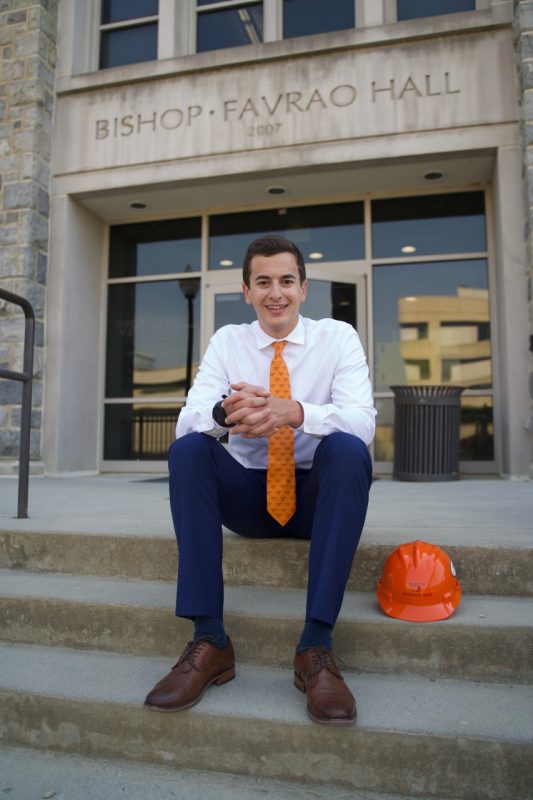
Jeff Hickman
Jeff Hickman